
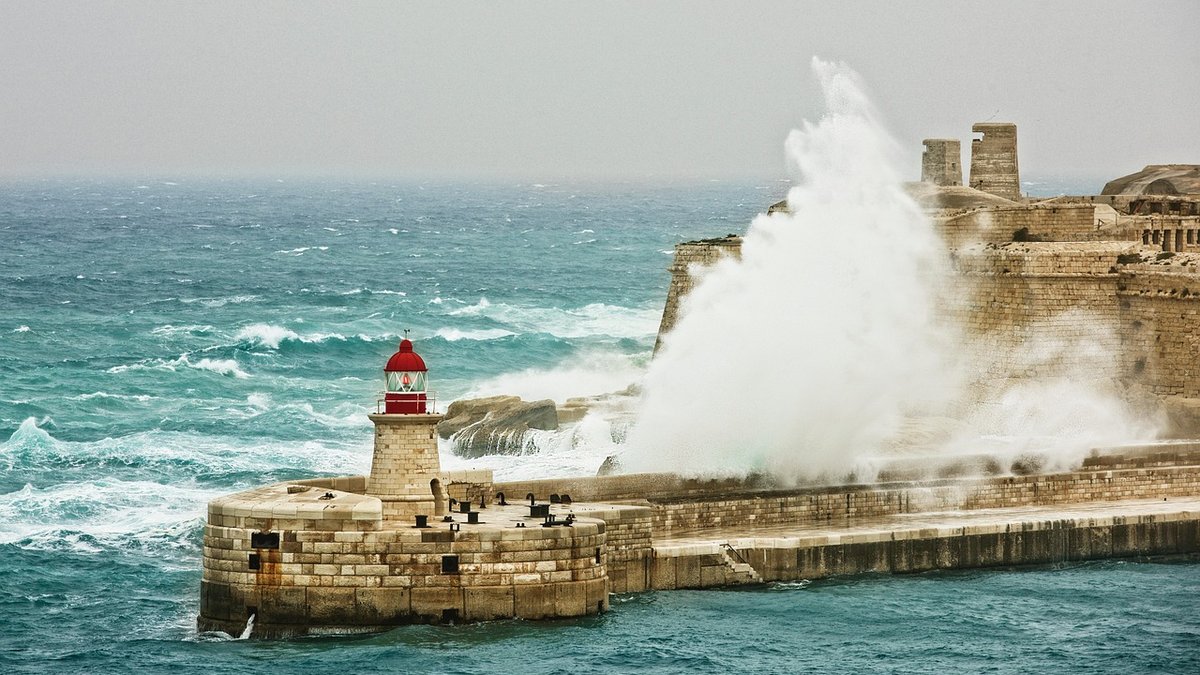
Britain is a country of almosts. Almost an island, almost an archipelago, and stitched together at the edges by water that refuses to sit still. The gaps are the interesting part: the Solent, the Menai Strait, the Sound of Mull, the deep tidal creeks of Essex and Suffolk, the wide brown mouths of the Mersey and the Tamar. Most of these crossings last between four minutes and four hours, and each carries a small, self-contained world — commuters with laptops, dog walkers in waterproofs, delivery vans, schoolchildren, cyclists with panniers and a ferryman who knows everyone's name.
Some crossings are little more than a floating bridge, tugging along a chain across a few hundred yards of water. Others are proper voyages, leaving a harbour wall behind and running out past a lighthouse into open sea. Both have their place, and both are worth treating as part of the trip rather than a gap between two bits of road.
Timetables on coastal routes are not bus timetables. They bend around tides, seasons and weather, and the details matter more than the headline times.
A return is usually cheaper than two singles, and many operators price foot passengers generously, with children travelling for very little. Combined rail-and-sea tickets exist on a number of routes and can be excellent value if your journey begins at a station. Ask, because these fares are rarely advertised loudly.
Bicycles are generally carried free or for a token fee, but book if space is tight, especially in summer. Dogs are usually welcome on deck or in a designated area, though some vessels restrict them to certain spaces — check before you set off, and never leave a dog in a parked vehicle on the car deck.
Read the amendment and cancellation terms carefully. A missed vehicle booking often means forfeiting the space, while foot passengers can usually move to a later sailing for a modest charge. Aim to arrive around thirty minutes before departure on foot, and forty-five to sixty minutes with a vehicle. On the smallest crossings, five minutes is plenty, but the queue can still surprise you.
Vessels come in several moods. A roll-on roll-off ferry has a car deck, a lounge, a café and a tannoy. A catamaran is quick and can be brisk in a chop. A chain ferry is essentially a moving piece of road. An open-deck launch may offer nothing but a bench, a rail and the smell of diesel and salt — often the best trip of the lot.
Pick your side deliberately. Leaving a harbour, the stern gives the best view of the town falling back. Approaching an island, the bow is where the landscape opens out. Sit on the sheltered side in a blow and the sunny side in winter; on a warm day, stay on deck until the horn sounds for arrival, which comes sooner than you expect.
Arrive early enough to wander. Harbour life is its own heritage: the chandlery and the ice-cream kiosk, the lifeboat station, the old pier with its ironwork, the boatyard where hulls sit on mud at low water. Ferry slipways are often the oldest working structures in a town, and there is usually a pub or a chip shop within sight of the berth for good reason.
Ask the crew about the water you are crossing. They can tell you where the tide runs hardest, which headland shelters a bay, where a wreck lies, and what the harbour looked like before the marina arrived. That conversation is often the most memorable part of the journey — and it costs nothing but a moment's curiosity. Stand on deck, take your time, and let the crossing be the destination for a little while.

Hi, my name is Anthony kuber. I am artist and fashion designer.
I love to travel and writing blogging.
Your email address will not be published. Required fields are marked *
Software Developer & Writer
Hey, I'm Diva, a developer and writer blending code and creativity. I'm driven by a deep curiosity and a relentless pursuit of excellence. Join me as I craft digital solutions and captivating stories.


