
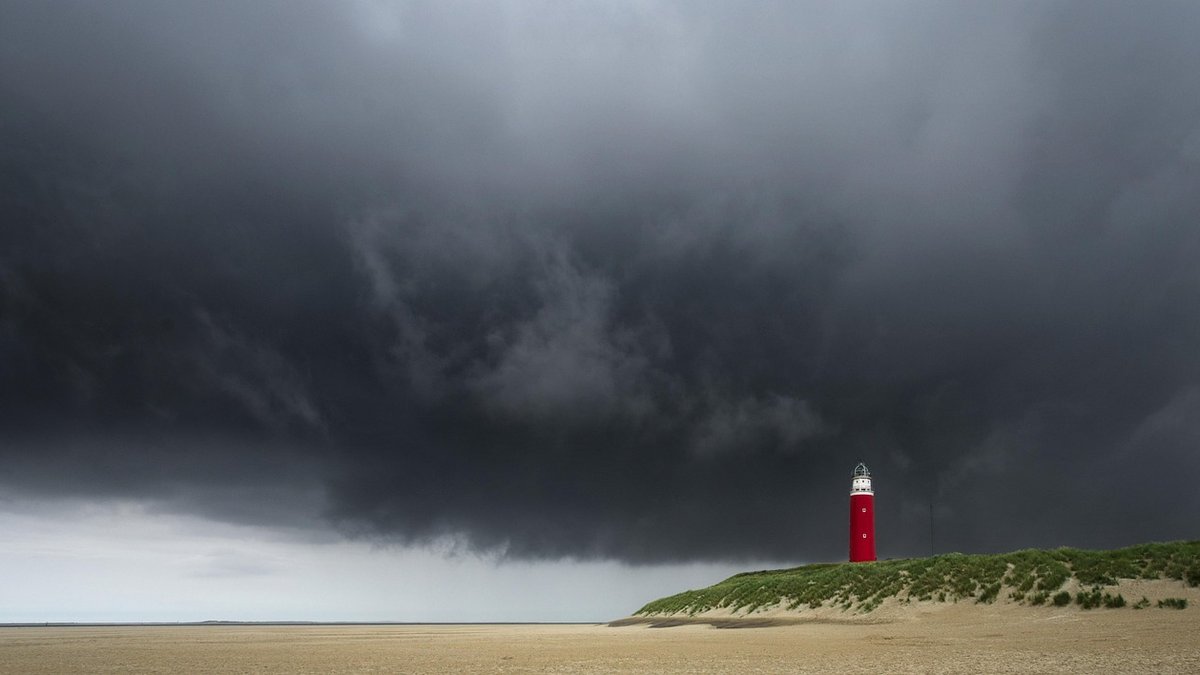
There is a particular kind of morning that rewards patience: the sky still low and grey, the beach scoured overnight by a south-westerly, and the sand pulled back to reveal a shingle shelf that has not been seen for months. Winter storms do the hard work for us. They strip the upper beach, churn the shallow seabed and then deposit their pickings along the strandline in ribbons of weed, timber and glass.
The trick is timing. Aim for the three hours either side of low water on a spring tide, especially the first calm day after a blow. Take a bag, gloves, a notebook and a camera. Wear boots with grip and never turn your back on the sea; the same swell that uncovered your find can return it to the deep and take you with it.
Most of what you will pick up is the honest everyday output of a hundred years of British drinking and shipping: green, brown and clear glass, frosted and rounded by decades of tumbling. Green and brown dominate because beer, wine and medicine bottles were made in those colours in vast quantities. Clear glass is common too, though often too thin to be satisfying.
The pieces everyone hopes for are the rarities: cobalt blue from early poison and ink bottles, deep red from old signal lamps and some Victorian tableware, and yellow or amber from chemical bottles. Keep an eye out for bonfire glass, which has ash, sand or bubbles fused into it, and for bottle bases with embossed lettering, which can be a genuine clue to a local brewery or mineral water works.
Quality matters more than quantity. A well-rounded, evenly frosted shard with no sharp edges is more collectable than a pocketful of raw, angular rubbish. Anything still sharp has not finished its journey.
White clay pipe stems are the signature find of any old harbour beach, and they are wonderful because they can be dated. The bore of the stem was made with a wire that grew finer over time: a hole around four millimetres suggests the seventeenth century, while a narrow one to two millimetres points to the nineteenth. Rub the broken end gently between finger and thumb and you will feel whether the bore is wide or fine.
Look for bowls with a maker's mark stamped on the heel or spur, often initials beside a small motif. Pottery tells a similar story. Fragments of creamware with a pale yellow glaze, blue transfer-printed wares such as the ubiquitous willow pattern, and heavy brown salt-glazed stoneware from ginger beer and ink bottles all turn up regularly.
Tangled rope is the most characteristic debris of harbour life and the most interesting to handle. Manila, made from abaca fibre, is pale and hairy and smells faintly of old hay. Sisal is coarser and stiffer. Modern polypropylene comes in bright colours and floats, and is the type most likely to snag on rocks and entangle birds, so it is the type most worth removing.
Knots are a small education in themselves. A well-tied bowline or a fisherman's bend, fused hard by salt and sun, has often outlived the boat it served. Trawl floats, orange and green, crab-pot tags and the occasional wooden crate all wash up after gales, and each one is a fragment of an industry that shaped every cove and quay around our coast.
A find without a record is just a nice object on a windowsill. Recording is simple and takes a minute.
Do not over-collect. Take a few good pieces and leave the rest for others; a beach stripped of its glass and pottery is a poorer place for everyone.
Winter beaches are not empty. Grey seals haul out to rest, and a white-coated pup on the sand is not abandoned, so keep well back, keep dogs on leads and never herd an animal towards the water. Oystercatchers, ringed plovers and turnstones roost in tight flocks on the strandline, and disturbing them in cold weather costs them precious energy.
Leave living things where they are: limpets on their rock, winkles in their pools, cuttlebone and mermaid's purses on the sand. Pick up litter, especially small loops of net and fishing line, and take it to a bin rather than leaving it above the tideline. Report oiled birds or stranded animals to the relevant local wildlife rescue. Walk lightly, record carefully and let the sea keep the rest.

Hi, my name is Anthony kuber. I am artist and fashion designer.
I love to travel and writing blogging.
Your email address will not be published. Required fields are marked *
Software Developer & Writer
Hey, I'm Diva, a developer and writer blending code and creativity. I'm driven by a deep curiosity and a relentless pursuit of excellence. Join me as I craft digital solutions and captivating stories.


