
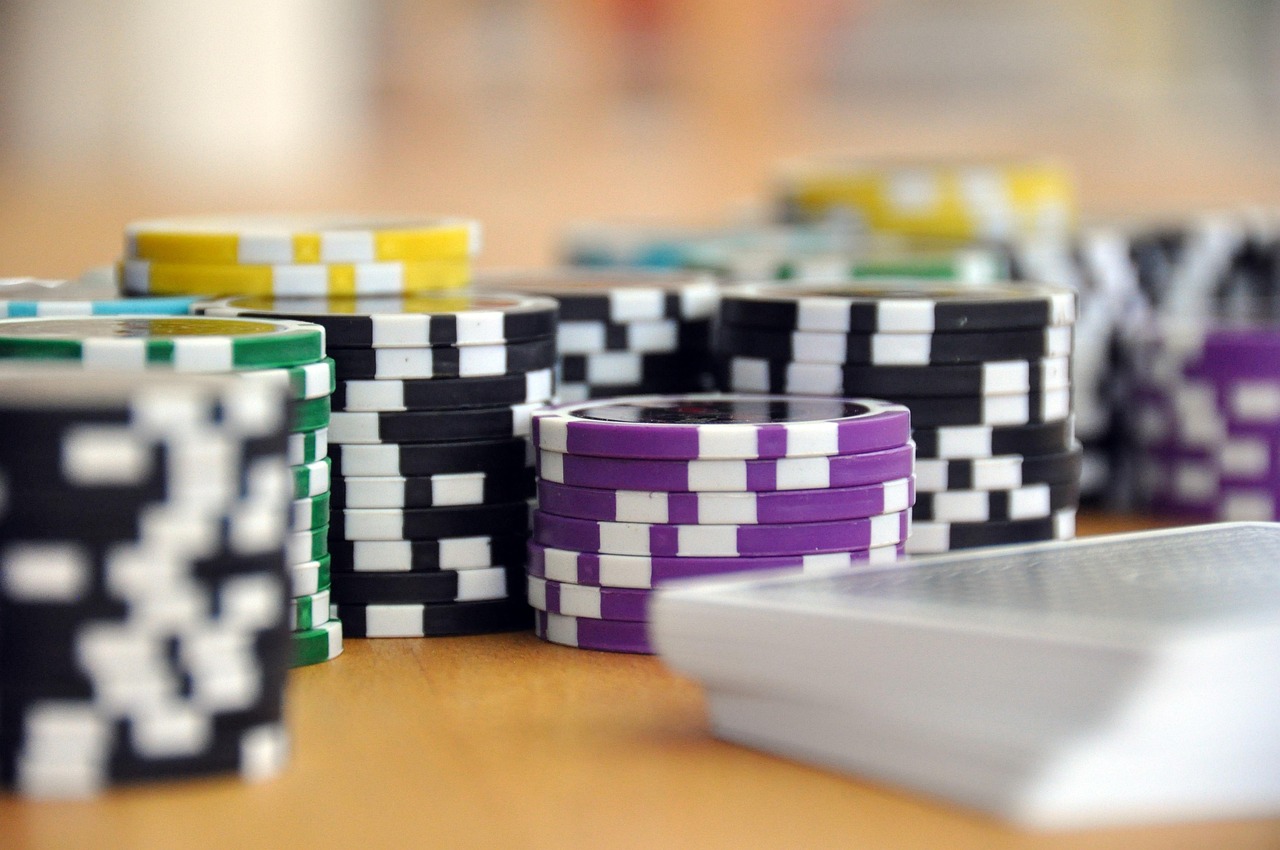
Walk through any casino floor in Macau, Las Vegas, or just open a sportsbook app on your phone, and you'll notice something curious: nobody is forcing anyone to play. Yet billions of dollars change hands every single day. That voluntary exchange tells you almost everything you need to know about the strange, seductive world of iGaming. It's part math, part psychology, and part the thrill of not knowing what happens next. Whether you're a curious newcomer or a seasoned grinder looking for an edge, understanding how the machinery actually works separates the players who last from the ones who don't.
Let's pull back the curtain.
Every game you'll ever play runs on a built-in mathematical advantage for the operator. That's not a conspiracy theory. It's arithmetic. A detailed guide is available at nhacaitangtien.com.co.
Consider roulette. European wheels have one zero, giving the house an edge of 2.7%. American wheels add a double zero, pushing it to 5.26%. Same game, roughly the same table feel, nearly double the bleed. Over a few spins, you might not notice. Over a thousand spins at $25 a pop, that difference is the gap between a fun weekend and a very expensive education.
Slots are different. You don't see the edge because there's no dealer and no visible wheel. Instead there's RTP (return to player), typically between 92% and 97% on modern video slots. A 96% RTP slot means that, on average across millions of spins, players get back $96 for every $100 wagered. That's a 4% edge. It feels small until you realize the money is being recycled on every spin.
Where can you find a player edge?
The takeaway: choose games where the math is at least survivable, and where you have a skill component that compounds.
Slots are the most popular iGaming product on earth for good reason. They're simple, visual, and offered in thousands of flavors. But their design conceals two things you should never forget: volatility and session length.
A low-volatility slot pays frequently but in small amounts. A high-volatility slot can go hundreds of spins without a win, then suddenly throw a 500x payout. Neither is "better." They suit different bankrolls and personalities. If you're playing with a $100 balance, a brutal high-volatility game will likely eat you in 20 minutes. A low-volatility one might keep you spinning for an hour.
The trap is autoplay and spin speeds. Digital slots let you spin every three seconds. That's 1,200 spins an hour. At $0.50 per spin, you're wagering $600 an hour with a 4% edge -- an expected loss of $24 per hour, every hour. No house edge feels big until you multiply it by velocity.
If slots are a hospital visit, sports betting is a chess match with odds attached. The line (vig) is typically 4-5% per side, meaning the book builds in profit regardless of outcome. To win long-term, you either need better information than the market or better discipline.
Two paths actually work for recreational players:
Chasing losses is the death spiral. So is betting on your favorite team because you love them. Spreadsheets don't watch games with their hearts.
Poker is where iGaming gets intellectually honest. The rake is the price of admission, but it's relatively small compared to slots or table games, and your edge comes from outplaying opponents rather than beating a random number generator.
Cash games reward patience above all else. Tournament poker rewards aggression and survival. Both punish ego. If you're the type who calls a big river bet "just to see," you're paying tuition for someone else's education.
Modern online poker is tougher than it was a decade ago. Solvers, tracking software, and study groups have raised the floor of competence. That means the easiest money is no longer at the highest stakes -- it's at whatever level your opponents still make fundamental mistakes.
Ask any betrayed gambler what went wrong and the answer is almost always the same: they bet money they couldn't afford to lose and then tried to win it back. Bankroll management is not glamorous, but it's the single biggest predictor of whether you're still in the game six months from now.
A practical framework:
iGaming isn't evil and it isn't a shortcut to wealth. It's an entertainment product with a mathematical cost, and the people who enjoy it most are the ones who treat it that way. They know the house edge, they pick their games deliberately, they manage their money, and they walk away when they've had enough. The players who get hurt are the ones who believe the next spin, the next hand, or the next parlay will fix everything. It won't.
Learn the math. Respect the variance. Keep your head. That's how you stay at the table long enough to actually enjoy the ride.

Hi, my name is Anthony kuber. I am artist and fashion designer.
I love to travel and writing blogging.
Your email address will not be published. Required fields are marked *
Software Developer & Writer
Hey, I'm Diva, a developer and writer blending code and creativity. I'm driven by a deep curiosity and a relentless pursuit of excellence. Join me as I craft digital solutions and captivating stories.


