
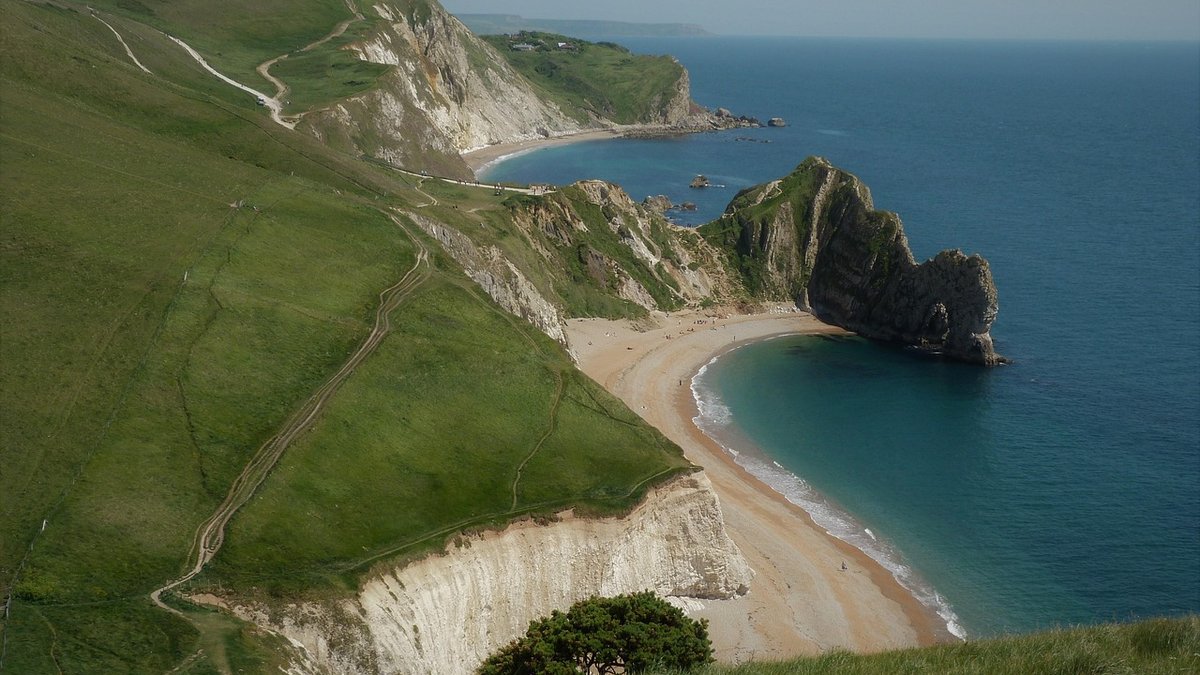
The British coastline is not a fixed line on a map. It is a living edge, constantly rearranged by tide, storm and longshore drift. Whole settlements that once thrived on fishing, trade and smuggling now lie beneath the waves or survive only as a few stones at low tide. For historians, walkers and anyone curious about harbour life, these lost villages offer a haunting and practical lesson in how quickly the sea can reclaim what we build.
Storms are the dramatic agents of change, but erosion is the slow, relentless background. Along soft cliffs and low-lying shores, entire parishes have been swallowed. Their ruins, records and legends continue to fascinate. Here are some of the most evocative sites, plus practical advice for exploring them safely and respectfully.
In the thirteenth century, Dunwich was one of England's great ports. Its harbour was busy with ships trading wool, cloth and fish. It had churches, monasteries, a hospital and a market. Then came the storms. A series of tempests in 1286, 1326 and 1347 choked the harbour with shingle and swept away streets. The sea has been gnawing at the town ever since. Today, Dunwich is a small village, but the ruins of Greyfriars priory and the leper hospital still stand on the cliff edge. The last of its churches slipped beneath the waves in the early twentieth century.
Legend says you can hear the bells of Dunwich ringing beneath the sea. Walkers can visit the Dunwich Museum to see artefacts recovered from the lost town, then follow the cliff path and beach. At low tide, look for dark timbers and stone foundations in the sand. Check tide times, keep away from the soft cliff edge, and never dig into the ruins.
On the Holderness coast of East Yorkshire, Ravenser Odd was a thriving port in the fourteenth century. It had a mayor, a market, a gaol and a harbour that welcomed ships from the Low Countries. But it was built on a spit of sand and gravel, and the sea was hungry. By the 1360s, the town was being abandoned. Today it lies somewhere beneath the waves off Spurn Point.
The Holderness coast is one of the fastest-eroding in Europe, losing between one and two metres a year in places. After winter storms, walkers on beaches near Barmston and Ulrome sometimes find stumps of ancient trees and peat beds that were once dry land. These are the remains of prehistoric forests and medieval fields. The erosion that drowned Ravenser Odd continues today, threatening villages such as Skipsea and Hornsea. Local heritage groups record lost buildings and photograph the changing shore.
Hallsands in Devon is a more recent tragedy. For centuries, this fishing village nestled below the cliffs near Beesands. In the 1890s, shingle was dredged from the beach to build a dockyard at Plymouth. The beach had protected the village from the sea. Without it, the waves attacked the foundations. In 1917, a fierce storm destroyed most of the houses. The village was abandoned.
Today, from a cliff-top viewing platform, you can look down at the ruined cottages and the remains of the old road. At low tide, walls and fireplaces emerge from the sand. It is a sobering sight. The lesson is clear: removing natural coastal defences can doom a harbour community. If you visit, stay on the platform and the footpath. The cliffs are unstable and the sea comes in fast.
Lost villages are not only physical ruins. They survive in legend and record. In Wales, Cantre'r Gwaelod is a legendary kingdom beneath Cardigan Bay, drowned when a gatekeeper failed to close the sea gates. The bells of its churches are said to ring on quiet evenings. Off Cornwall, the lost land of Lyonesse is linked to Arthurian tales and the Isles of Scilly. These stories are not just fantasy; they remember real coastal change.
Historians use parish records, tithe maps, old charts and aerial photographs to reconstruct drowned settlements. Place names often give clues: ‘Old Hallsands', ‘Dunwich Bank', ‘Ravenser' all point to land that has gone. After storms, archaeologists and local recorders examine newly exposed timbers, pottery and human remains. If you find something, photograph it, note the location, and report it to your local museum or finds liaison officer. Do not remove it.
Exploring Britain's drowned heritage is rewarding, but it demands care. These are dynamic, often dangerous environments. Use the following checklist before you set out.
The lost villages beneath the waves remind us that the British coast is a temporary arrangement. Harbour life flourished, then vanished. By walking carefully, recording what we see and supporting local heritage, we can keep their stories alive above the waterline.

Hi, my name is Anthony kuber. I am artist and fashion designer.
I love to travel and writing blogging.
Your email address will not be published. Required fields are marked *
Software Developer & Writer
Hey, I'm Diva, a developer and writer blending code and creativity. I'm driven by a deep curiosity and a relentless pursuit of excellence. Join me as I craft digital solutions and captivating stories.


